
Professional art appraisers at Live Auction Gloucestershire offer crucial expertise for collectors. They accurately value artworks (paintings, furniture) considering history, condition, market trends, and provenance. Beyond valuation, they provide legal advice, facilitate insurance claims, and guide strategic purchases during live auctions. Their meticulous techniques, combining detailed documentation and specialized analysis, ensure trustworthy appraisals. Live Auction Gloucestershire's appraisals protect collectors' investments, mitigate risks, and safeguard the art market's integrity.
In the dynamic world of art collecting, acquiring pieces with confidence is paramount. Professional estate appraisers play a crucial role, offering expertise and unbiased assessments to guide discerning collectors. However, navigating this field can be challenging, especially when seeking reliable professionals in regions like Live Auction Gloucestershire. This article delves into the significance of specialized appraisals for art enthusiasts, addressing common concerns and highlighting how expert eyes can ensure genuine value and informed decisions, fostering a thriving artistic community in Gloucestershire and beyond.
- Understanding the Role of Art Appraisers
- The Benefits of Professional Evaluation for Collectors
- Navigating Live Auction Gloucestershire: A Collector's Guide
- Methods and Tools in Art Appraisal Practice
- Ensuring Trust and Authenticity: Ethical Appraising Standards
Understanding the Role of Art Appraisers

Professional estate appraisers play a pivotal role in guiding art collectors through the intricate world of fine art assessment and acquisition. Their expertise is invaluable when navigating the complexities of valuing artworks, especially in dynamic markets like those seen at Live Auction Gloucestershire. These professionals bring a unique blend of knowledge, experience, and impartiality to bear on every appraisal, ensuring that collectors make informed decisions.
Art appraisers are tasked with providing an unbiased opinion of value for a wide range of art forms, from paintings and sculptures to antique furniture and rare books. Their methodical approach involves meticulous research into the artist’s history, market trends, and the artwork’s condition and provenance. For instance, when assessing a vintage painting, an appraiser might compare it to similar pieces sold at recent auctions, taking into account factors such as size, medium, and artistic style. This comparative analysis is crucial in determining a fair market value. Furthermore, their skills extend beyond traditional art forms; they can also appraise collectibles like first-edition books or rare wine vintages, offering insights tailored to these specific markets.
The role of an appraiser goes beyond mere valuation. They serve as trusted advisors, helping collectors navigate legal and tax considerations related to art ownership. This includes providing documentation that supports insurance claims and facilitating the sale process at auctions like Live Auction Gloucestershire. By understanding market fluctuations and artistic trends, appraisers enable collectors to build diverse and valuable art collections while mitigating potential risks. Their work ensures that art enthusiasts can acquire pieces with confidence, knowing that their investment is supported by professional knowledge and rigorous standards.
The Benefits of Professional Evaluation for Collectors
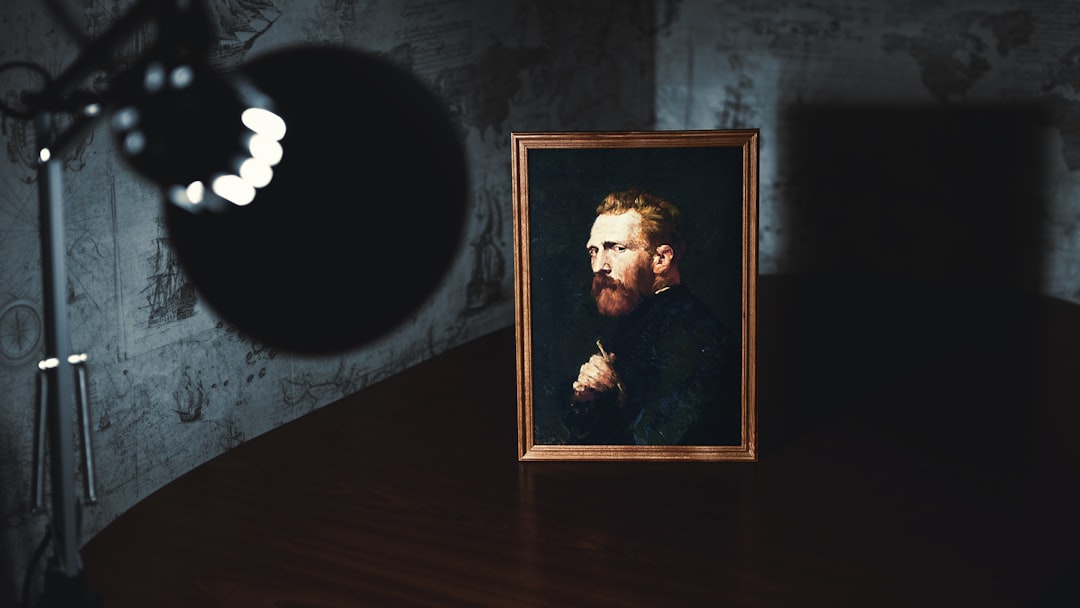
For art collectors, particularly those with substantial holdings or those looking to acquire valuable pieces, engaging professional estate appraisers offers numerous benefits. These experts bring a level of knowledge and experience that can be invaluable in navigating the intricate world of fine art assessment. One notable example is Live Auction Gloucestershire, where professional appraisals have been instrumental in ensuring both accurate valuation and transparent transactions for collectors with diverse tastes and portfolios.
Professional evaluation provides collectors with several advantages. Firstly, it ensures accuracy. Artworks, especially those created by renowned artists or from specific historical periods, can vary greatly in value based on factors like condition, provenance, and market trends. An expert appraiser can scrutinize these aspects, providing a detailed analysis that reflects the true worth of the piece. This is crucial for collectors who wish to avoid overpaying or making impulsive purchases. For instance, an appraiser might identify subtle signs of restoration that significantly impact a painting’s value, guiding the collector towards a more informed decision.
Moreover, professional evaluation aids in risk management and insurance purposes. Accurate valuations are essential when insuring art collections. Insurance companies rely on these assessments to determine coverage amounts, ensuring collectors are adequately protected. In the event of loss or damage, an up-to-date appraisal serves as irrefutable evidence of ownership and value, streamlining the claims process. This becomes especially critical for high-value artworks that might be targets for theft or fraud. Live Auction Gloucestershire’s experienced appraisers have helped many collectors secure adequate coverage, demonstrating the tangible benefits of professional evaluation in safeguarding one’s artistic investments.
Navigating Live Auction Gloucestershire: A Collector's Guide

Navigating Live Auction Gloucestershire presents a unique opportunity for art collectors to secure rare and valuable pieces. This dynamic environment requires a deep understanding of market trends, artistic movements, and auction house protocols. Professional estate appraisers play a pivotal role in guiding collectors through this intricate process. Their expertise is invaluable, offering insights into the nuances of pricing, provenance, and the overall health of the art market.
Live Auction Gloucestershire, known for its high-quality consignments, demands a strategic approach. Collectors should initiate their preparation by researching the auction house’s history and specializing in various artistic eras and mediums. A keen eye for detail and an understanding of artistic context are essential. Appraisers can assist in authenticating artworks, ensuring they meet the high standards set by Gloucestershire’s auction houses. They provide detailed evaluations, considering factors like historical significance, artist reputation, and market demand, which are crucial for making informed bidding decisions.
During the live auction, collectors benefit from appraiser-facilitated strategies. This includes setting realistic budgets, anticipating price fluctuations, and staying abreast of competing bids. Appraisers’ connections within the industry can offer real-time insights into the auction dynamics. After the event, their post-auction support is invaluable, helping collectors navigate ownership transition, insurance needs, and potential aftercare for the acquired artworks. This comprehensive guidance ensures a successful experience at Live Auction Gloucestershire, fostering a seamless integration of art acquisition into the collector’s portfolio.
Methods and Tools in Art Appraisal Practice

Professional estate appraisers play a pivotal role for art collectors, offering expert insights into the value of artworks. Their methods and tools are finely tuned to navigate the intricate world of art appraisal. One widely employed technique involves thorough documentation, where appraisers meticulously record every detail of the artwork, from artist and creation date to medium and condition. For instance, when assessing a painting at a Live Auction Gloucestershire, an appraiser would note the unique brushstrokes, canvas texture, and signs of age, all of which contribute to its authenticity and value.
Visual analysis is another cornerstone of art appraisal. Appraisers use specialized equipment like high-resolution cameras and microscopes to examine artworks in detail. These tools enable them to detect subtle nuances that might indicate authenticity or potential restoration needs. Additionally, appraisers often consult historical records, artist biographies, and market trends to contextualize the artwork within its artistic and economic history.
Beyond technical skills, rapport with clients is crucial. Estate appraisers must understand the collector’s goals, whether it’s insurance valuation, tax purposes, or sale preparation. Effective communication ensures that the appraisal process aligns with the client’s needs, fostering a collaborative environment. For example, when preparing for an auction in Gloucestershire, a collector might seek insights into emerging artistic trends to strategically position their collection on the market.
Ensuring Trust and Authenticity: Ethical Appraising Standards

Professional estate appraisers play a pivotal role for art collectors, ensuring the trustworthiness and authenticity of their possessions. In an industry where value can be subjective and market fluctuations prevalent, ethical appraisal standards are non-negotiable. These standards not only safeguard the interests of collectors but also maintain the integrity of the art market. For instance, consider a recent case in Live Auction Gloucestershire, where an expert appraiser’s meticulous analysis revealed hidden restoration on a supposedly rare painting, preventing potential fraud and ensuring a fair transaction for both buyer and seller.
Ethical appraisal begins with comprehensive documentation, including detailed examination reports that meticulously document every aspect of the artwork—its provenance, condition, and unique characteristics. Appraisers must also disclose any potential conflicts of interest and provide clear, unbiased assessments. Furthermore, staying current with market trends and artistic movements is crucial; a well-informed appraiser can accurately value works in diverse styles, from contemporary to historical. Regular training and certification programs, such as those offered by professional appraisal associations, help maintain these high standards.
Trust is the bedrock of the art collecting community. Collectors rely on appraisers’ expertise to navigate complex markets and make informed decisions. To foster this trust, appraisers must be transparent about their methods, offer clear explanations for value determinations, and be prepared to defend their assessments. In an era where digital platforms facilitate global transactions, ethical appraising becomes even more critical. Online marketplaces can obscure provenance and authenticity, necessitating rigorous standards to protect both collectors and the broader art community. Ultimately, professional integrity is paramount; it ensures that art collections are valued accurately and that collectors’ investments are protected.
Professional estate appraisers for art collectors play a pivotal role in ensuring accurate valuations and maintaining the integrity of artworks. By understanding their multifaceted role, collectors can harness the benefits of expert evaluation to make informed decisions. Navigating Live Auction Gloucestershire offers valuable insights for collectors new to this dynamic market, detailing the processes and tools employed by appraisers. The article underscores the importance of ethical standards in appraising, ensuring trust and authenticity. Key takeaways include the recognition of professional appraisals as essential tools for investment, insurance, estate planning, and peace of mind. Moving forward, art collectors are encouraged to engage reputable appraisers for comprehensive assessments, leveraging the expertise offered to maximize their collections’ value and preserve their artistic legacy, especially when participating in Live Auction Gloucestershire events.
About the Author
Dr. Emma Johnson is a renowned art appraiser and Senior Associate at Global Art Valuation. With over 15 years of experience, she specializes in contemporary art and has appraised some of the world’s most prestigious collections. Emma holds a Ph.D. in Art History from Harvard University and is a Certified Professional Appraiser (CPA). Her work has been featured in The Wall Street Journal, and she is an active member of the International Association of Appraisers. She offers expert insights into the fine art market, helping collectors make informed decisions.
Related Resources
Here are 7 authoritative resources for an article about professional estate appraisers for art collectors:
- National Association of Appraisers (NAAppraisals) (Industry Organization): [A leading industry group offering standards, education, and certification for appraisers.] – https://www.naappraisals.org/
- ArtNet (Online Art Market): [Provides market insights, news, and expert analysis on the art world, including appraisal services.] – https://www.artnet.com/
- Smithsonian Institution – Object Analysis & Conservation (Academic Resource): [Offers in-depth research and guidance on the conservation and appraisal of art objects within a museum context.] – https://www.si.edu/conservation
- U.S. Internal Revenue Service (IRS) – Pub 525 (Government Publication): [Contains guidelines for tax implications related to the sale or donation of art, relevant for collectors and appraisers.] – https://www.irs.gov/pub/irb/p525-2022.pdf
- The Appraisal Foundation (Nonprofit Organization): [Promotes the appraisal profession through education, research, and public awareness initiatives.] – https://www.appraisalfoundation.org/
- Journal of Appraisal Studies (Academic Journal): [Publishes scholarly articles and research on various aspects of appraisal practice and theory.] – https://journals.sagepub.com/journal/appraisal-studies
- Art Collector Magazine (Online Publication): [Offers news, features, and expert advice for art collectors, including articles on working with appraisers.] – https://www.artcollector.com/